The Red Fortress of Milan
Dominated by its iconic red brick walls and the towering Torre del Filarete, Castello Sforzesco (Sforza Castle) is an unmissable landmark in the heart of Milan. It embodies the city's turbulent history, transforming over the centuries from a feared symbol of tyranny to a beloved center of culture and art. Connecting the busy city center with the verdant expanse of Parco Sempione, the castle is one of the largest citadels in Europe and holds some of the finest Renaissance art in northern Italy.
A History of Destruction and Rebirth
The origins of the castle date back to roughly 1360, when Galeazzo II Visconti built a defensive fortress known as the Castello di Porta Giovia near the medieval city walls. However, the castle's true story begins with the Sforza dynasty. Following the death of the last Visconti duke in 1447, the people of Milan established the Golden Ambrosian Republic and, in a rejection of tyranny, destroyed the Visconti fortress.
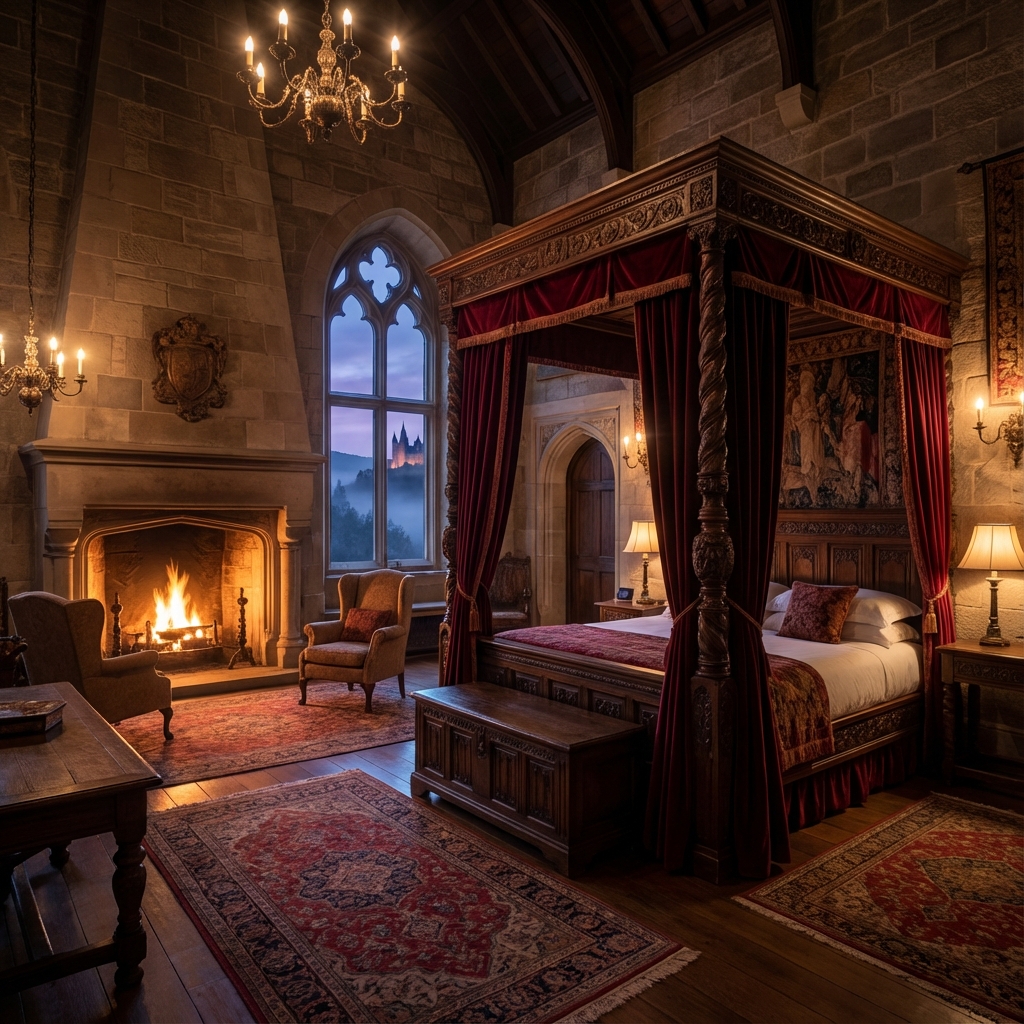
The republic was short-lived. In 1450, the condottiero Francesco Sforza conquered Milan and became Duke. He quickly ordered the reconstruction of the castle, not just as a defensive structure but as a grand residence that would legitimize his rule. Under his successors, particularly Ludovico il Moro, the castle entered its golden age. It became one of the most magnificent courts in Renaissance Italy, hosting luminaries such as the architect Donato Bramante and the polymath Leonardo da Vinci.
The glory days ended with the French invasion in 1499. For the next four centuries, Milan fell under foreign rule—French, Spanish, and Austrian. The castle was stripped of its Renaissance finery and converted into a strictly military barracks. The Spanish added massive star-shaped fortifications (most of which were later demolished by Napoleon), and the castle became a symbol of foreign oppression. After the unification of Italy, there was a serious debate about demolishing the decaying fortress entirely to make way for a residential district. Fortunately, the architect Luca Beltrami successfully campaigned for its preservation and undertook a massive restoration project in the late 19th and early 20th centuries, returning it to its Sforza-era appearance.
Architecture and The Courts
The castle is arranged around three main courtyards. The immense Piazza d'Armi was the main parade ground for troops. Separating this from the ducal residence is the Dead Moat (Fossato Morto). Beyond lies the Corte Ducale, where the Sforza dukes lived, and the Rocchetta, the most heavily fortified part of the castle, designed as a stronghold of last resort in case of rebellion or siege.
The most recognizable feature is the Filarete Tower, the central entrance tower. The original tower was destroyed by an explosion in 1521 (when lightning struck a gunpowder store) and was not rebuilt until Beltrami's restoration in 1905, based on sketches from the time of Francesco Sforza. Today, it serves as the grand gateway connecting the city to the park.
Leonardo da Vinci and the Sala delle Asse
One of the castle's greatest treasures is the Sala delle Asse (Room of the Wooden Boards), located in the north tower. Commissioned by Ludovico il Moro, Leonardo da Vinci painted this room in 1498. It is a stunning example of trompe-l'œil, where the ceiling appears to be a pergola of intertwining mulberry trees (a pun on the Duke's nickname, "Il Moro," which sounds like the Latin for mulberry). Recent restorations have uncovered even more of Leonardo's original monochrome drawings on the lower walls, revealing the roots of the trees breaking through the rocks—a powerful symbol of the Sforza dynasty's strength.
Museums and Masterpieces
Today, Castello Sforzesco is home to the Musei del Castello Sforzesco, a complex of museums that house some of Milan's most important art collections.
- The Pietà Rondanini: The emotional highlight for many visitors is the dedicated museum for Michelangelo's final sculpture. The Pietà Rondanini is an unfinished masterpiece that the artist was working on until days before his death at age 88. Its raw, elongated forms convey a profound sense of sorrow and spiritual transcendence.
- Museum of Ancient Art: This collection includes splendid sculptures from the late antiquity to the Renaissance, including the funereal monument of Gaston de Foix and huge tapestries.
- Pinacoteca (Picture Gallery): Features works by masters such as Mantegna, Titian, and Canaletto, showcasing the richness of Lombard art.
- Museum of Musical Instruments: One of the largest in Europe, displaying curious and rare instruments from centuries past, including mandolins, harpsichords, and violins by the masters of Cremona.
- The Egyptian Museum: Located in the underground levels of the Rocchetta, it holds a significant collection of mummies, sarcophagi, and papyri.
The Green Lung of Milan: Parco Sempione
Directly behind the castle lies Parco Sempione, Milan's largest urban park. Originally the private hunting ground of the Sforza dukes, it was redesigned in the English romantic style in the late 19th century. The park acts as a green extension of the castle, offering a perfect spot for a picnic or a stroll after visiting the museums. At the far end of the park stands the Arch of Peace (Arco della Pace), creating a visual axis that runs through the castle all the way to the Duomo.
Visitor Information
Entry to the castle courtyards is free, making it a popular thoroughfare for locals walking from the Duomo to Parco Sempione. The castle gates open daily from 7:00 AM to 7:30 PM. To visit the museums, a ticket is required (closed on Mondays). The ticket grants access to all the museums within the complex, offering incredible value.
A walk through Castello Sforzesco is a walk through the layers of Milan's identity. From the defensive prowess of the Sforzas to the artistic genius of Leonardo and Michelangelo, it remains the cultural anchor of the city.
The Trivulziana Library and Historical Archives
Tucked away within the formidable walls of Castello Sforzesco is another of Milan's great, though often overlooked, cultural treasures: The Trivulziana Library (Biblioteca Trivulziana) and the city's Historical Archives. Named after the aristocratic Trivulzio family whose private collection formed its core, this remarkable institution holds a vast and priceless archive of rare manuscripts, incunabula, and historical documents dating back to the Middle Ages. It is a vital repository of humanistic knowledge that survived the tumultuous centuries of foreign occupation and warfare that battered the castle itself. The crown jewel of the library’s collection is undoubtedly the Codex Trivulzianus, a notebook compiled by Leonardo da Vinci between 1487 and 1490 during his time at the Sforza court. The manuscript is filled with Leonardo’s signature mirror-writing, featuring sketches of military architecture, mechanical devices, and lists of vocabulary as the artist sought to improve his literary skills. For scholars and history enthusiasts alike, the library offers a profound, tangible connection to the intellectual climate of Renaissance Milan, a reminder that Castello Sforzesco was as much a seat of learning as it was a military stronghold.