The Sleeping Beauty Castle
Rising from the edge of the Chinon forest and overlooking the peaceful waters of the Indre River, Château d'Ussé is the prime example of a fairy-tale castle. Its skyline is a chaotic and charming forest of white stone turrets, steep slate roofs, dormer windows, and chimneys. It is so scenic that it is widely believed to have inspired the French author Charles Perrault to write his classic tale La Belle au Bois Dormant (Sleeping Beauty) in the 17th century. It is a place where fantasy and history intertwine, a fortress turned into a pleasure palace. The white tufa stone glows in the sunlight, contrasting with the dark green of the forest behind it, creating an image of unreal perfection.
Ussé is unique among the Loire Valley châteaux because it has been inhabited by the same family (the Dukes of Blacas) for over two centuries. It is not a frozen museum but a living home, filled with memories, furniture, and the echoes of the past. This continuity gives it a warmth that is sometimes missing in the larger state-owned monuments.
History: From Warrior to Courtier
The site has been fortified since the 11th century, originally by a Viking (or Norman) named Gueldin de Saumur. However, the castle we see today is the result of centuries of evolution. In the 15th century, the Bueil family, heroes of the Hundred Years' War, built the massive fortress structure. They needed thick walls and strong towers for defense against the English.
As the Renaissance arrived and the threat of war receded, the castle began to soften. In the 16th and 17th centuries, successive owners opened up the facade. They removed the north wing to open the view to the river, creating the famous U-shape courtyard. They added large mullioned windows to let in light, and built elegant terraces. The castle hosted kings and literary giants like Chateaubriand (who planted majestic cedars in the park) and, of course, Perrault. It became a center of culture and refinement.
Architecture: A Style for Every Century
Ussé is a textbook of French architectural history. The Keep (Donjon) is pure Gothic military power, with machicolations and arrow slits. The **East Wing** shows the transition to the Gothic Flamboyant style, with intricate decoration. The **West Wing** is classic Renaissance, inspired by Italian palazzos. The **Chapel** in the park is a masterpiece of the Renaissance, featuring beautiful 16th-century stained glass and a terracotta ceramic Virgin Mary by the famous Luca della Robbia.
The Sleeping Beauty Exhibition
The castle embraces its legend wholeheartedly. Visitors can climb the sentry walk (Chemin de Ronde) in the towers to see scenes from the Sleeping Beauty story. Waxwork figures dressed in period costumes depict the christening of the princess, the wicked fairy Carabosse, the prince fighting through the briars, and the awakening kiss. It is a magical experience for children and a nostalgic one for adults, bringing the story to life in the very setting that inspired it.
The Furnished Interiors
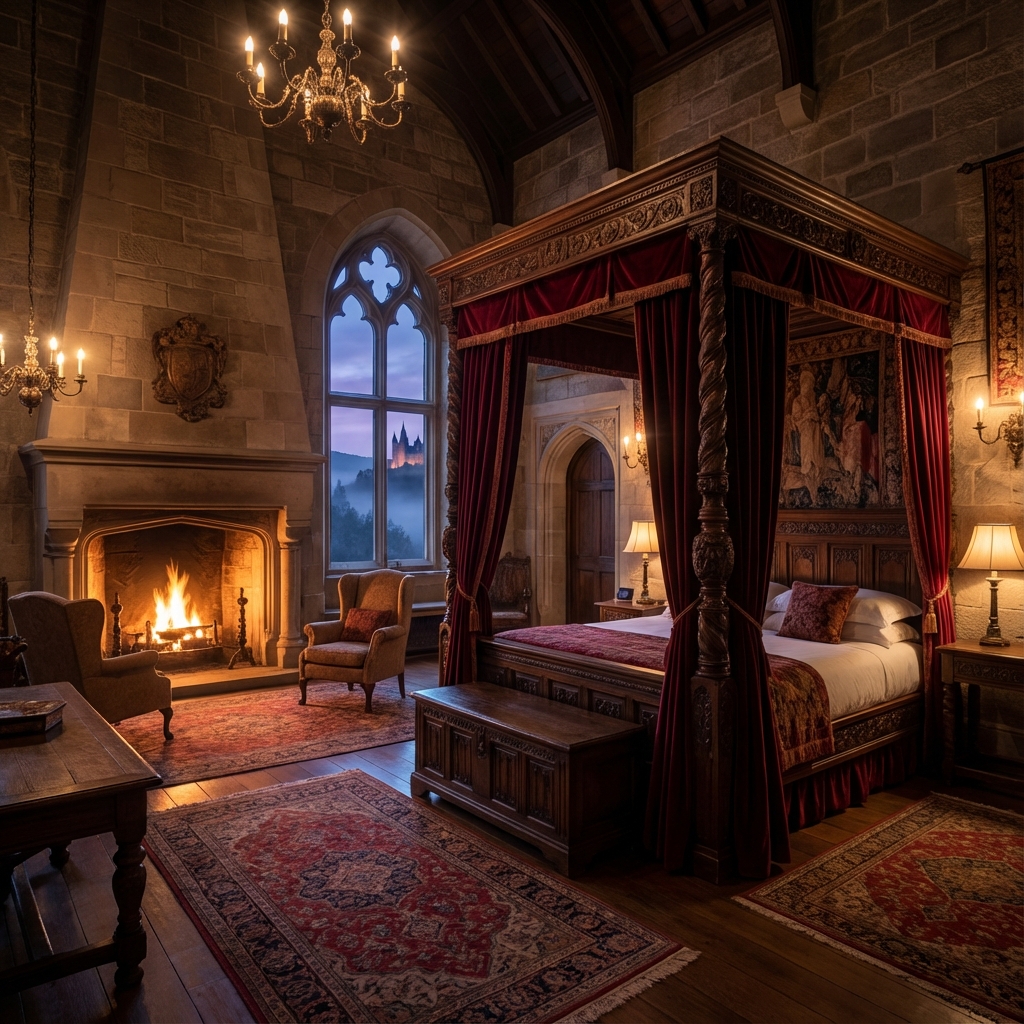
Unlike many castles that were emptied during the Revolution, Ussé retains a remarkable collection of furniture. The **King's Chamber** (where Louis XIV stayed) features original silk wall coverings. The **Vauban Salon**, the **Dining Room**, and the Grand Staircase are filled with 18th-century French furniture, Flemish tapestries, and family portraits. A unique feature is the annual exhibition of period costumes, showing how fashion changed from the 18th to the 20th century. The mannequins are placed throughout the rooms, making the castle feel inhabited.
The Gardens of Le Nôtre
The formal gardens were designed by André Le Nôtre, the genius who created the gardens of Versailles. He transformed the hillside into a series of terraces. The main parterre is a geometric marvel of boxwood, yew trees, and colorful flowers, adorned with orange trees in the summer. From the terraces, you get a stunning view of the Indre valley and the castle facade. The layout is rigorous and symmetrical, providing a counterpoint to the whimsical architecture of the castle itself.
Legends: The Curse and the Kiss
While the Sleeping Beauty story is a fairy tale, the castle has its own local legends. It is said that the castle's bells will ring on their own if a member of the Blacas family is in danger. Another story tells of a secret underground passage that connects the castle to the nearby Château of Chinon, though it has never been found. The true magic of Ussé, however, is the way the morning mist rises from the Indre river, wrapping the turrets in a white veil just like the spell that put the princess to sleep.
Visitor Information
Getting There
Château d'Ussé is located in Rigny-Ussé, about 35 km southwest of Tours and 15 km from Chinon. It is best explored by car as part of a Loire Valley road trip. There is a large car park near the entrance. It is also accessible by bike via the "Loire à Vélo" route.
Tours
The castle is open daily from mid-February to mid-November. The visit is self-guided, with a detailed brochure available in many languages. An audio guide is also available. The visit includes the castle interiors, the sentry walk (Sleeping Beauty scenes), the chapel, the stables (with horse-drawn carriages), and the cellars (caves) carved into the tufa rock, which house an exhibition on winemaking. Allow about 1.5 to 2 hours for a full visit.
Accessibility
Due to the many stairs (especially in the towers), the interior of the castle is not accessible to wheelchair users. However, the gardens, the chapel, and the stables are generally accessible. Dogs are allowed in the park on a leash, making it a pet-friendly stop.
The Wine and The Valley
No visit to Château d'Ussé is complete without appreciating its connection to the rich viticultural heritage of the Loire Valley. The tufa stone cliffs that provided the brilliant white building material for the fortress also serve another vital purpose: their porous nature makes for perfect wine cellars. Deep beneath the castle grounds, extensive caves extend into the hillside, maintaining a constant, cool temperature year-round. These historic cellars have been used for generations to age the local wines, particularly the renowned Chenin Blanc and Cabernet Franc varieties that flourish in the region's unique terroir. The estate continues to celebrate this deep-rooted tradition, offering visitors a glimpse into the historic winemaking processes through exhibitions housed within these very caves. The ancient wooden presses and oak barrels tell a story of agricultural dedication that parallels the architectural evolution above ground. Tasting a glass of the local vintage while gazing up at the fairy-tale turrets of Ussé provides a profound sensory connection to the land, bridging the gap between the monumental history of French royalty and the enduring, everyday poetry of the Loire Valley's vineyards.