The Versailles of the North
Drottningholm Palace (Drottningholms slott) is the permanent private residence of the Swedish Royal Family. Located on the island of Lovön in Lake Mälaren, just 10 kilometers west of Stockholm, it is the finest example of an 18th-century North European royal residence inspired by the Palace of Versailles. In 1991, it became the first Swedish site to be inscribed on the **UNESCO World Heritage List**, recognized for the exceptional preservation of the entire estate: the palace, the theatre, the Chinese Pavilion, and the gardens.
The name *Drottningholm* literally means "Queen's Island." The current palace was built in the French Baroque style by the celebrated architect **Nicodemus Tessin the Elder** for Queen Hedvig Eleonora in 1662. It represents Sweden's "Age of Greatness" (Stormaktstiden), a period when the Swedish Empire was one of the dominant powers in Europe. Since 1981, King Carl XVI Gustaf and Queen Silvia have lived in the southern wing, while the rest of the palace remains open to the public year-round.
The State Apartments
Walking through the State Apartments is a trip through Swedish history and artistic evolution. The interiors reflect the tastes of the powerful queens who lived here.
- The Staircase Hall: Designed by Tessin, this grand baroque entrance features trompe l'œil paintings by Johan Sylvius that mimic marble statues and balustrades, creating an illusion of infinite space. It was designed to impress foreign ambassadors with Sweden's wealth.
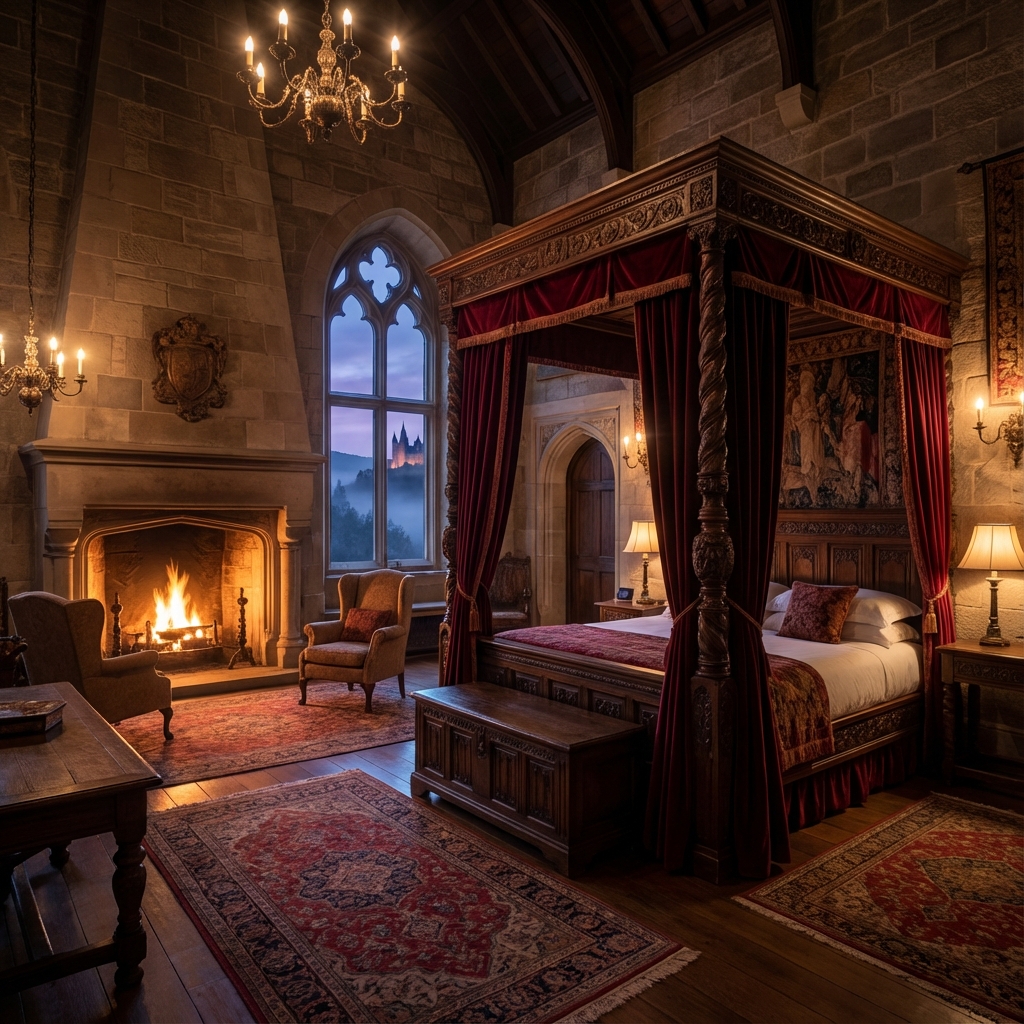
- Hedvig Eleonora's State Bedchamber: The heart of the 17th-century palace, this room was used for ceremonial levees (royal risings) rather than sleeping. It is a masterpiece of heavy Baroque luxury, filled with black ebony furniture, silver, and gold leaf.
- Lovisa Ulrika's Library: A stark contrast to the heavy Baroque, this room (created in the mid-18th century) is a light, airy Rococo gem. It was the intellectual hub of the palace, where the Queen—a correspondent of Voltaire and a patron of the sciences—gathered her books and scientific instruments.
The Palace Chapel
The **Royal Chapel** (Slottskyrkan) is another masterpiece integrated into the northern round tower of the palace. Completed by Nicodemus Tessin the Younger in the 1720s, it is still used by the parish of Lovön and the Royal Family. It is traditionally the site of royal christenings, including those of the current Crown Princess Victoria's children. The interior is stunningly decorated with a mix of marble, gold, and intricate woodwork. The organ, built in 1730, is still in use today. Attending a High Mass here on the last Sunday of every month is a unique way to experience the palace's living history.
The Palace Theatre: A Time Capsule
The **Drottningholm Palace Theatre** (Slottsteater) is unique in the world. Built in 1766 for Queen Lovisa Ulrika, it is the only 18th-century theatre that still uses its original stage machinery regularly. After the assassination of King Gustav III in 1792 at the Royal Opera, the theatre at Drottningholm was closed and forgotten for over a century. This neglect was a blessing in disguise: it was never "modernized" with electric lights or new equipment.
Rediscovered in the 1920s, it was found perfectly preserved. Today, summer opera festivals are held here using the original wooden machinery. Stagehands turn large capstans to slide the scenery wings in and out in seconds. A "wave machine" (corkscrews painted to look like water) creates rough seas, a "thunder box" (stones rolling in a wooden container) creates storms, and a "flying chair" allows gods to descend from the clouds. The auditorium still has its original wallpaper and painted benches, which even retain their original labels marking where the court sat according to rank.
The Chinese Pavilion: A Birthday Surprise
Hidden in the far corner of the park lies the **Chinese Pavilion** (Kina Slott), a pink-and-gold pleasure palace that looks like a fairytale illustration. Its story is romantic: it was a birthday surprise for Queen Lovisa Ulrika in 1753. King Adolf Fredrik had the original pavilion built in secret in Stockholm and shipped in pieces to Drottningholm. On the evening of her 33rd birthday, she was led through the gardens to discover the exotic structure, where her seven-year-old son (the future King Gustav III) was dressed as a Chinese mandarin to present her the keys.
The current building (which replaced the wooden original in 1763) is a masterpiece of *Chinoiserie*—a European fantasy of Chinese style. Inside, the rooms are filled with authentic Chinese porcelain, silk, and lacquerware imported by the Swedish East India Company. The most famous room is the **Confidence**, a dining room located in a separate pavilion. It features a *table à l'anglaise*—a dining table that could be mechanically lowered through the floor to the kitchen below, set with food, and raised back up. This allowed the Royal Family to dine in complete privacy ("in confidence") without servants listening to their political discussions.
The Royal Gardens: Bronze and Greenery
The palace is surrounded by two distinct garden styles that tell the story of scenery architecture:
- The Baroque Garden: Created in the 17th century by Tessin, this lies directly in front of the palace. It is a strict, formal grid of box hedges, fountains, and gravel avenues inspired by Versailles. It is guarded by magnificent bronze sculptures by **Adriaen de Vries**. These statues have a dramatic history: they were taken as war booty from the Wallenstein Garden in Prague and from Frederiksborg Castle in Denmark during the Thirty Years' War. They are symbols of Sweden's military dominance in that era. (The originals are now in the Museum of De Vries to protect them from the elements; the ones in the garden are high-quality bronze copies).
- The English Park: To the north lies a vast, naturalistic scenery created by King Gustav III in the late 18th century. Unlike the rigid Baroque garden, this park features winding paths, rolling lawns, ponds, and tree groves designed to look like an idealized painting. It reflects the Enlightenment's shift towards nature and sentimentality.
Visitor Tips
Drottningholm is the most popular day trip from Stockholm.
- The Royal Guards: As a residence of the King, the palace is guarded by the Swedish Royal Guards (*Högvakten*). The changing of the guard ceremony here is smaller than at the Stockholm Palace but equally impressive.
- Arrival by Boat: The most scenic way to arrive is by historic steamboat (S/S Drottningholm) from Stockholm City Hall. The one-hour trip takes you through the beautiful archipelago of Lake Mälaren, offering the same view of the palace that 17th-century visitors would have had.
- The Theatre Tour: You can only visit the inside of the theatre on a guided tour. These sell out quickly in summer, so book in advance. It is the highlight of the estate.
- Christmas Market: In December, a traditional Christmas market is held in the palace courtyard, focusing on high-quality Swedish handicrafts and food.