The Jewel of the Highlands
Perched high on a terrace overlooking the North Sea, Dunrobin Castle is a vision of fairytale elegance in the rugged scenery of the Scottish Highlands. It is the most northerly of Scotland's great houses and the largest in the Northern Highlands, boasting 189 rooms. With its gleaming white stonework, high conical spires, and impeccably manicured gardens, Dunrobin looks less like a traditional Scottish fortress and more like a grand French château transplanted to the coast of Sutherland.
Dunrobin has been the home of the Earls and Dukes of Sutherland since the 13th century, making it one of the oldest continuously inhabited houses in Britain. The name 'Dun Robin' means 'Robin's Hill' or 'Robin's Fort,' likely named after Robert, the 6th Earl of Sutherland, who died in 1427. While the core of the building contains medieval masonry, the castle's current appearance is largely the result of a massive 19th-century expansion.
A Masterpiece of Victorian Architecture
Between 1845 and 1851, the 2nd Duke of Sutherland commissioned the renowned architect Sir Charles Barry to remodel the castle. Barry was at the height of his fame, having just designed the new Palace of Westminster (Houses of Parliament) in London. For Dunrobin, he chose a style heavily influenced by the French Renaissance, adding the distinctive towers, turrets, and dormer windows that give the castle its romantic silhouette. The design was intended to reflect the family's immense wealth and their cosmopolitan tastes, setting them apart from the more austere architecture typical of the Highlands.
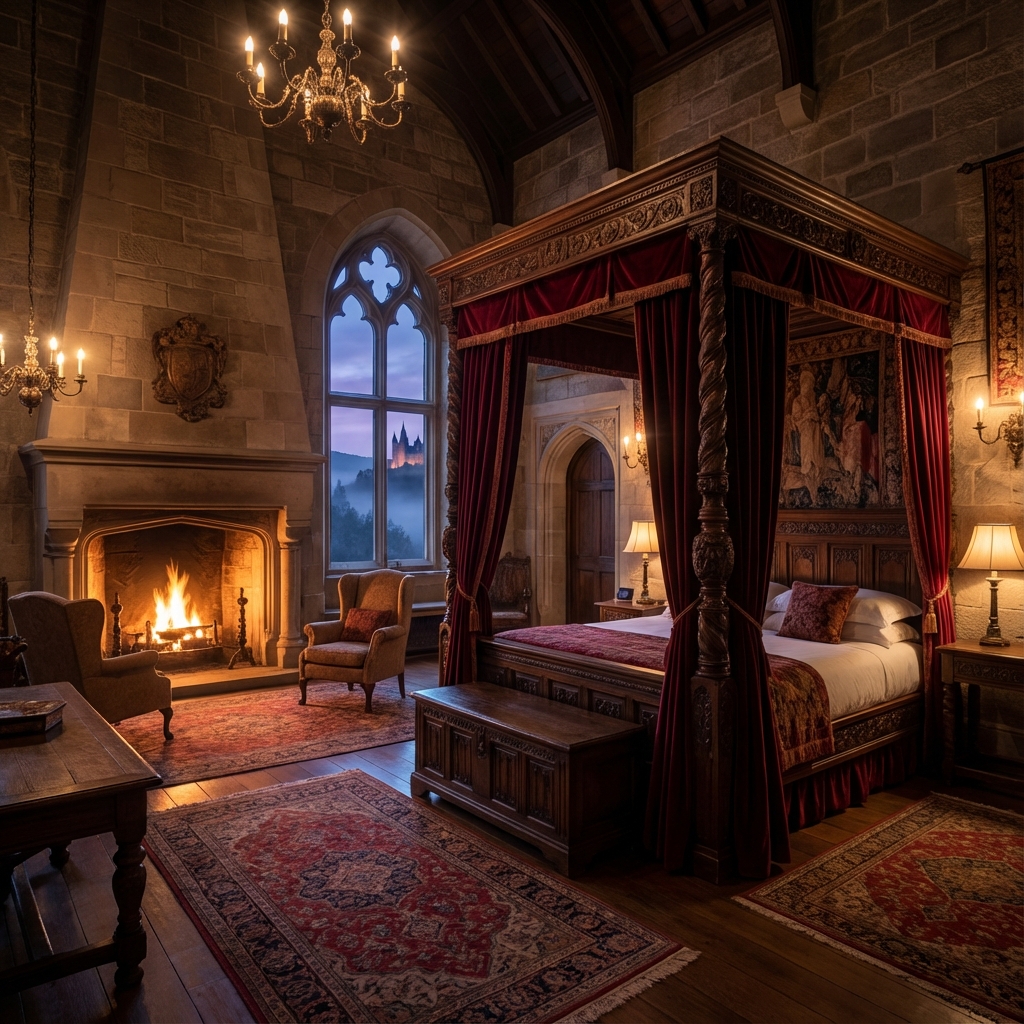
In the early 20th century, following a fire in 1915, the interior was further redesigned by Scottish architect Sir Robert Lorimer. The result is a stunning mix of styles. Visitors can tour the State Rooms, which include the Drawing Room, the Library (with over 10,000 books), and the Dining Room. These rooms are filled with portraits of the Sutherland family, fine tapestries, and French furniture, reflecting the immense wealth and power the family once held.
The Shadow of the Clearances
It is impossible to tell the story of Dunrobin Castle without addressing the dark chapter of the Highland Clearances. In the early 19th century, the 1st Duke of Sutherland and his wife, Elizabeth, were responsible for some of the most brutal evictions in Highland history. Thousands of tenant farmers were forcibly removed from the Sutherland estates to make way for large-scale sheep farming, which was considered more profitable. Their homes were burned, and many were forced to emigrate to North America or move to the coast to scratch out a living.
For many, the grandeur of Dunrobin is inextricably linked to this suffering. A controversial statue of the 1st Duke stands on the summit of Ben Bhraggie, overlooking the castle, and remains a focal point for debate about this painful period in Scottish history. The castle today acknowledges this complex legacy, offering a nuanced view of the family's impact on the region.
The Gardens and Falconry
Below the castle lie the magnificent formal gardens, also laid out by Sir Charles Barry in 1850. Inspired by the Palace of Versailles, the gardens feature geometric parterres, fountains, and avenues of trees. Because of the castle's sheltered location and the influence of the Gulf Stream, the gardens can support a surprising variety of plants that would struggle elsewhere in the Highlands, including giant rhubarb (Gunnera manicata) and fuchsias.
One of the main attractions at Dunrobin is the daily falconry display. The castle has a long tradition of falconry, and visitors can watch golden eagles, peregrine falcons, and owls flying against the backdrop of the castle and the sea. The display is not just a show but an educational experience, explaining the history of hunting with birds in the Highlands.
The Museum and the Ghost Room
Tucked away in the castle grounds is a fascinating Victorian museum, built by the 3rd Duke of Sutherland in 1862. It was originally used as a summer house but was converted to display the Duke's vast collection of curiosities. The museum has been left largely as it was in the 19th century, making it a 'museum of a museum.'
The collection is eclectic, to say the least. It includes Pictish stones (ancient carved stones found in the local area), geological specimens, and taxidermy trophies from the family's safaris in Africa. It serves as a window into the Victorian mindset of collecting and categorizing the natural world.
Inside the castle itself, legends persist of the Ghost Room (the Seamstress's Room). It is said to be haunted by the daughter of the 14th Earl, who fell in love with a stable boy. Her father imprisoned her in the attic to prevent the romance. When she tried to escape down a rope of sheets, her father cut the rope, and she fell to her death. Visitors often report a feeling of deep sadness in this part of the castle, and some claim to hear the sound of weeping.
Dunrobin in War and Peace
During the First World War, the castle was used as a naval hospital for the North Sea Fleet. A fire in 1915 caused significant damage, but it was during this restoration that much of the interior was modernized. In the late 1960s and early 70s, the castle served as a boys' boarding school before reverting to a family home and visitor attraction. This adaptive reuse of the building has allowed it to survive where many other great Highland houses have fallen into ruin.
Visitor Information
Dunrobin Castle is located just north of the village of Golspie on the A9, the main road up the east coast of Scotland (part of the popular North Coast 500 route). It even has its own private railway station—Dunrobin Castle Station—which is a request stop on the Far North Line. The castle is open to the public from April to October. A visit here offers a unique mix of architectural beauty, horticultural excellence, and a deep, sometimes troubled, dive into Highland history. The castle tea room offers local Scottish treats, making it a perfect stop for travelers exploring the rugged beauty of Sutherland.