The Pearl of Lake Vänern
Rising like a white ship from the rocky shores of Kållandsö peninsula, Läckö Castle (Läckö Slott) is one of Sweden's most iconic landmarks. Overlooking Lake Vänern, the largest lake in the European Union, the castle's creamy white walls and baroque towers create a stunning contrast against the blue water and the surrounding pine forests. It is often called a fairytale castle, a sleeping beauty that has remained virtually untouched since the 17th century. Whether seen in the shimmering heat of a Swedish summer or the icy grip of winter, Läckö commands a majestic presence.
Today, it is a cultural center, hosting world-class opera performances, art exhibitions, and thousands of visitors who come to wander its echoing halls and smell the flowers in its famous kitchen garden.
A History of Bishops and Counts
Läckö's history begins in 1298, when Brynolf Algotsson, the Bishop of Skara, laid the foundations for a fortified stronghold. For over two centuries, it served as a secure residence for the church, a place where bishops could retreat in safety. However, the Reformation in 1527 changed everything. King Gustav Vasa confiscated the church's properties, and Läckö became a royal estate.
The castle saw various owners, including the ill-fated Hogenskild Bielke, a baron who refurbished the medieval interiors before being executed for treason in 1605. But the golden age of Läckö arrived in 1615, when the estate was granted to the De la Gardie family. It was Jacob De la Gardie who began the transformation, but it was his son, Count Magnus Gabriel De la Gardie, who would turn Läckö into one of the magnificent baroque palaces of northern Europe.
The Vision of Magnus Gabriel De la Gardie
Magnus Gabriel De la Gardie was the wealthiest man in Sweden and a favorite of Queen Christina. He had a passion for architecture and a desire to leave a legacy. Under his stewardship in the mid-17th century, the medieval fortress was encased in a new baroque shell. A fourth wing was added to close the courtyard, the main tower was raised, and the interior was expanded to a staggering 248 rooms.
He employed the finest artists and craftsmen from Germany and beyond to decorate the ceilings with biblical scenes, landscapes, and allegories of war and peace. These paintings remain today, lively and colorful, offering a direct window into the worldview of the Swedish Empire at its height. De la Gardie's ambition, however, exceeded his grasp. The "Great Reduction" of 1680, initiated by King Charles XI to reclaim royal lands, stripped De la Gardie of his wealth and his beloved castle. He died in poverty, a tragic end for the man who built a palace fit for a king.
Sleeping Beauty
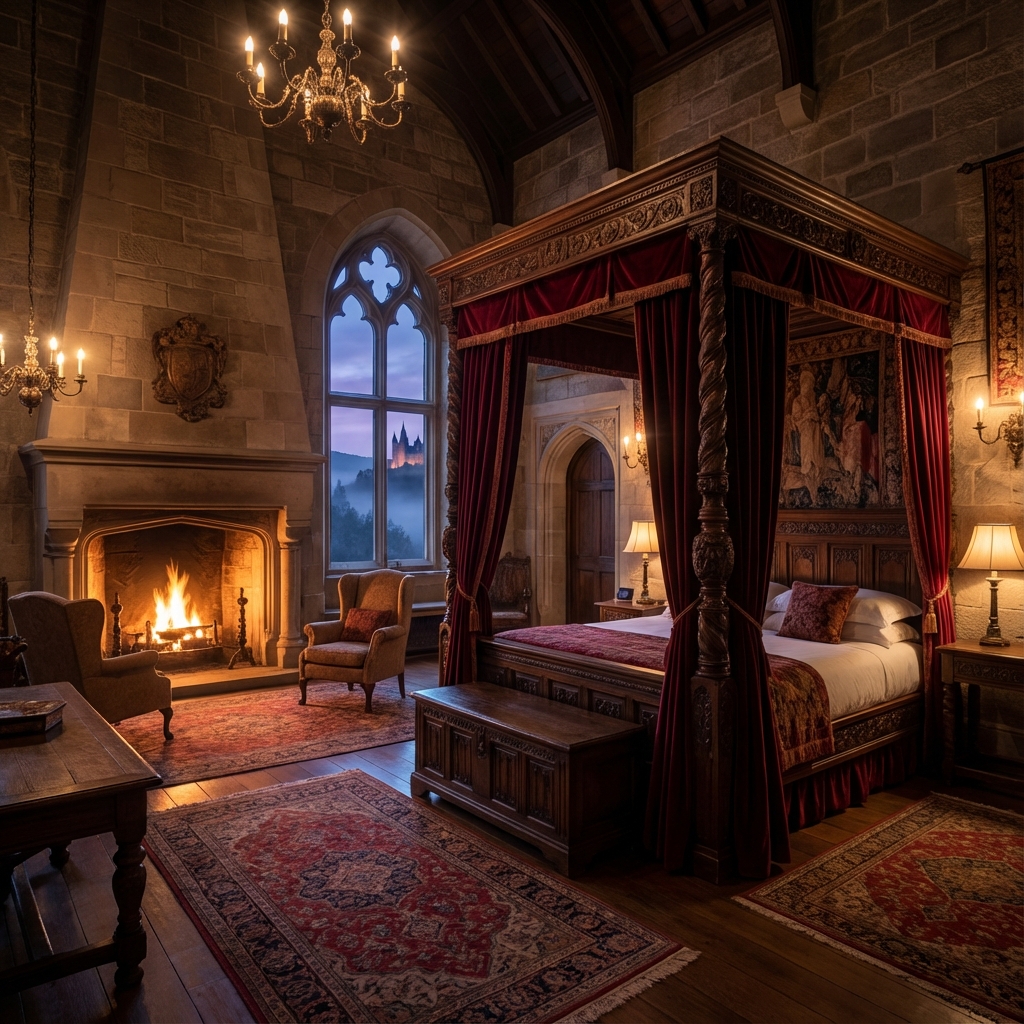
After De la Gardie's departure, the castle fell into a long slumber. For centuries, it was used merely as a grain store or residence for minor officials. While this neglect was unfortunate at the time, it proved to be a blessing. Unlike other castles that were modernized or renovated in the 18th and 19th centuries, Läckö preserved its 17th-century character. Walking through the King's Hall or the Princess's Chamber today feels like stepping back in time to 1670. The lack of electricity and modern heating in the main castle adds to this authentic atmosphere.
The Treasury and Hidden Gems
While the grand halls impress with their scale, the smaller details often hold the most intrigue. The Castle Treasury (Skattkammaren) houses a collection of precious objects from the Swedish Age of Greatness. Here, visitors can see exquisite silver, jewelry, and textiles that once belonged to the De la Gardie family and other nobility. It is a glistening reminder of the immense wealth that once flowed through these rooms.
Another highlight is the castle chapel. Preserved exactly as it was in the 17th century, it features a magnificent baroque altar and organ. It is still used for weddings and services during the summer, filling the ancient stone walls with music.
The Little Castle Garden
Protected by the high walls of the former eastern moat lies the "Lilla Slottsträdgården" (Little Castle Garden). This is not a typical ornamental garden; it is a kitchen garden that is renowned throughout Sweden for its beauty and productivity. Every summer, the head gardener designs a new thematic planting scheme, mixing vegetables, herbs, and flowers in a dazzling display of color and texture. The produce is used in the castle's restaurant, ensuring that visitors can taste the scenery as well as admire it.
Spiken and the Archipelago
A visit to Läckö is not complete without exploring its surroundings. Just a few kilometers away lies Spiken, one of Europe's largest freshwater fishing harbors. It is a charming village of red wooden boathouses where local fishermen bring in their catch of vendace (löja), pike-perch, and signal crayfish. Visitors can buy smoked fish directly from the smokehouses or enjoy a meal at one of the harborside restaurants.
From Spiken or the castle harbor, one can also take a boat trip into the Djurö National Park. This isolated archipelago in the middle of Lake Vänern is often called an "inland sea" due to its horizon-less views.
A Cultural Symbol: Opera and Art
In the summer, the castle's inner courtyard is transformed into one of the most atmospheric opera stages in the world. The Läckö Castle Opera festival attracts international talent and audiences who come to enjoy productions that range from Mozart to modern works, all performed under the open sky (now protected by a retractable roof).
Inside the castle, the empty rooms serve as a gallery for temporary exhibitions during the summer months. These often feature contemporary glass, silver, or furniture design, creating a fascinating dialogue between the baroque architecture and modern creativity.
Planning Your Visit
Läckö Castle is located about 25 km north of Lidköping. The drive itself is scenic, winding through the archipelago.
- Guided Tours: To see the furnished rooms and learn the secrets of the De la Gardie family, you must join a guided tour. These are available in English during the summer season.
- Victoriahuset: Just a stone's throw from the castle is the "Naturum Vänerskärgården - Victoriahuset," a visitor center and hotel named after Crown Princess Victoria. It offers modern accommodation and exhibits about the unique flora and fauna of the Vänern archipelago.
- Camping: For those who prefer to be closer to nature, there is a campsite nearby in the forest.
- Accessibility: Due to its age, the castle has many stairs and uneven floors. However, the garden and the courtyard are accessible.
Läckö Castle stands as a monument to the fragility of power and the endurance of beauty. It is a place where the tragedy of its builder is outshined by the splendor of his creation—a white pearl resting on the edge of the great blue lake.