Kronborg Castle is one of the most significant Renaissance castles in Northern Europe and a UNESCO World Heritage site. Strategically located at the narrowest point of the Øresund (the Sound), the strait between Denmark and Sweden, it stands as a formidable guardian of the Baltic Sea. While it is famous worldwide as the setting for William Shakespeare's Hamlet, its real history is even more dramatic, filled with immense wealth, devastating fires, and military conquest.
The Sound Dues: The Source of Wealth
Kronborg's grandeur was built on a simple but lucrative concept: The Sound Dues. For over 400 years, the King of Denmark demanded a toll from every ship passing through the strait. The castle was built to enforce this payment.
Krogen (The Fortress)
In the 1420s, King Eric of Pomerania built a fortress called 'Krogen' to control the sound. It was a functional, heavy-walled stronghold. Ships that refused to dip their sails and pay the toll would be fired upon by the fortress's cannons.
The Transformation to Kronborg
In 1574, King Frederick II decided to transform the medieval fortress into a magnificent Renaissance palace. Using the vast wealth from the Sound Dues, he imported architects from the Netherlands and covered the red brick walls with sandstone. The new castle, renamed Kronborg ("Crown Castle"), became a symbol of Denmark's power. It was famous across Europe for its size and beauty, which likely inspired Shakespeare to use it as a setting.
Hamlet: The Prince of Denmark
Although Shakespeare never visited Helsingør, Kronborg is inextricably linked to his play Hamlet. In the play, the castle is called Elsinore.
- Shakespeare Festival: Every summer, the castle hosts the HamletScen Shakespeare Festival, where plays are performed in the courtyard. This tradition dates back to 1816.
- The Ghost: Visitors can walk the ramparts (the Flag Bastion) where Hamlet supposedly met the ghost of his father.
- Fact vs. Fiction: There was a legendary Danish prince named Amleth, but he lived centuries before Kronborg was built. Shakespeare transposed the legend to the most famous Danish castle of his time.
Architecture and Interiors
Kronborg is a prime example of the Dutch Renaissance style.
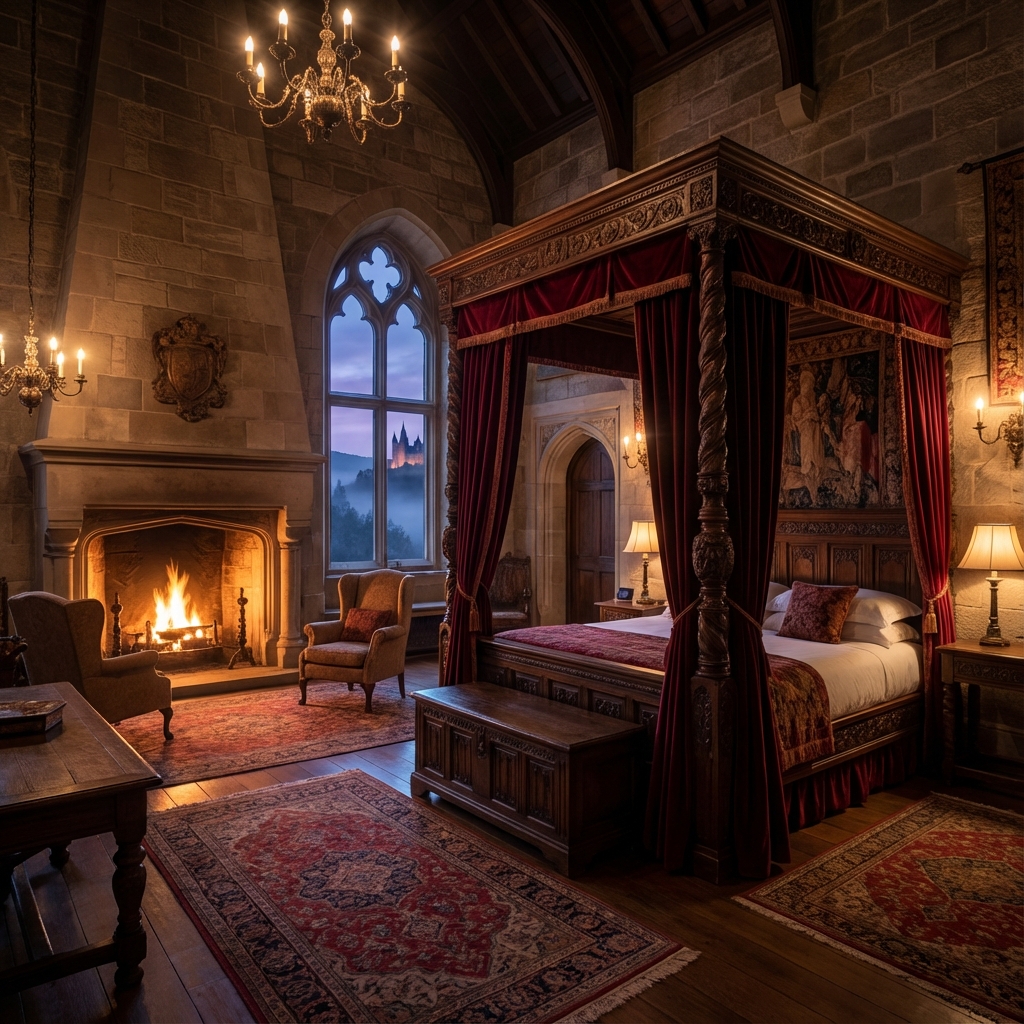
- The Ballroom: The Great Hall (Dansesalen) was the largest in Northern Europe when completed. Stretching 62 meters, it features a stunning floor of black and white marble and was the scene of decadent banquets where 65 courses might be served.
- The Chapel: This is the only part of the castle that survived the devastating fire of 1629 completely intact. It features original Renaissance woodcarvings and decor.
- The Tapestries: King Frederick II commissioned 43 magnificent tapestries depicting the line of Danish kings. Seven of these survive and are displayed in the castle.
The Casemates and Holger Danske
Beneath the castle lies a damp, dark maze of underground passages called the Casemates. These were used to house soldiers and store supplies during sieges. In times of war, up to 1,000 men could be garrisoned here.
The Legend of Holger Danske
Deep within the Casemates sits a statue of Holger Danske (Ogier the Dane), a mythical hero. Legend says he is not dead, but sleeping. If Denmark is ever in mortal danger, he will wake up, draw his sword, and defend the kingdom. His beard has grown so long it is rooted to the stone table. The statue, created by Hans Pedersen-Dan in 1907, has become a national symbol of Danish resilience.
The M/S Maritime Museum of Denmark
While visiting Kronborg, it is impossible to miss the award-winning M/S Maritime Museum of Denmark located right next door. Interestingly, the museum is built underground in the old dry dock. This was done to preserve the uninterrupted view of Kronborg Castle, as required by UNESCO. The museum, designed by the famous architectural firm BIG (Bjarke Ingels Group), is an architectural masterpiece in its own right and tells the story of Denmark as a seafaring nation—a perfect complement to the history of the Sound Dues.
The Lighthouse
In the northeast tower of the castle, known as the Queen's Tower, there is a working lighthouse. It was installed in 1772 to guide ships through the narrow sound. It is one of the oldest lighthouses in Denmark still in its original location. For a long time, the keeper of the lighthouse lived in the tower itself. The light is a reminder of the castle's intimate connection with the sea and the sailors who, for centuries, looked up at these walls with a mix of fear (of the cannons) and relief (at seeing land).
The Fire and Conquest
Kronborg has suffered two major catastrophes:
- The Fire of 1629: A fire destroyed most of the castle interior. King Christian IV rebuilt it, but it lost some of its original Renaissance charm.
- The Swedish Conquest (1658): During the Dano-Swedish Wars, the Swedish army under Karl X Gustav conquered Kronborg. They looted the castle, taking many treasures (including the fountain from the courtyard) back to Sweden, where they remain today. Following this, Kronborg was strengthened with the massive star-shaped bastions seen today.
Visitor Tips
- The Hamlet Live Experience: In the summer months, actors in period costumes roam the castle, enacting scenes from Hamlet. You might stumble upon Polonius in the corridor or see a sword fight in the courtyard.
- Flashlight: The Casemates are dimly lit to maintain the atmosphere. Using your phone's flashlight is helpful, and watch your head—the ceilings are low.
- Views to Sweden: From the Cannon Tower, you can clearly see the Swedish city of Helsingborg just 4 km away. It's a great photo opportunity.
- Copenhagen Card: Entrance to Kronborg is included if you have the Copenhagen Card.
Frequently Asked Questions
- How do I get there from Copenhagen?
- It is very easy. Take the regional train from Copenhagen Central Station to Helsingør. The trip takes 45 minutes, and the castle is a 10-minute walk from the station.
- Is the castle heated?
- Like most old stone castles, it can be chilly inside, even in summer. The Casemates are always cold (around 8-10°C). Bring a sweater.
- Can I see the cannons?
- Yes, the ramparts are lined with historic cannons, some of which are still used for gun salutes on royal birthdays.