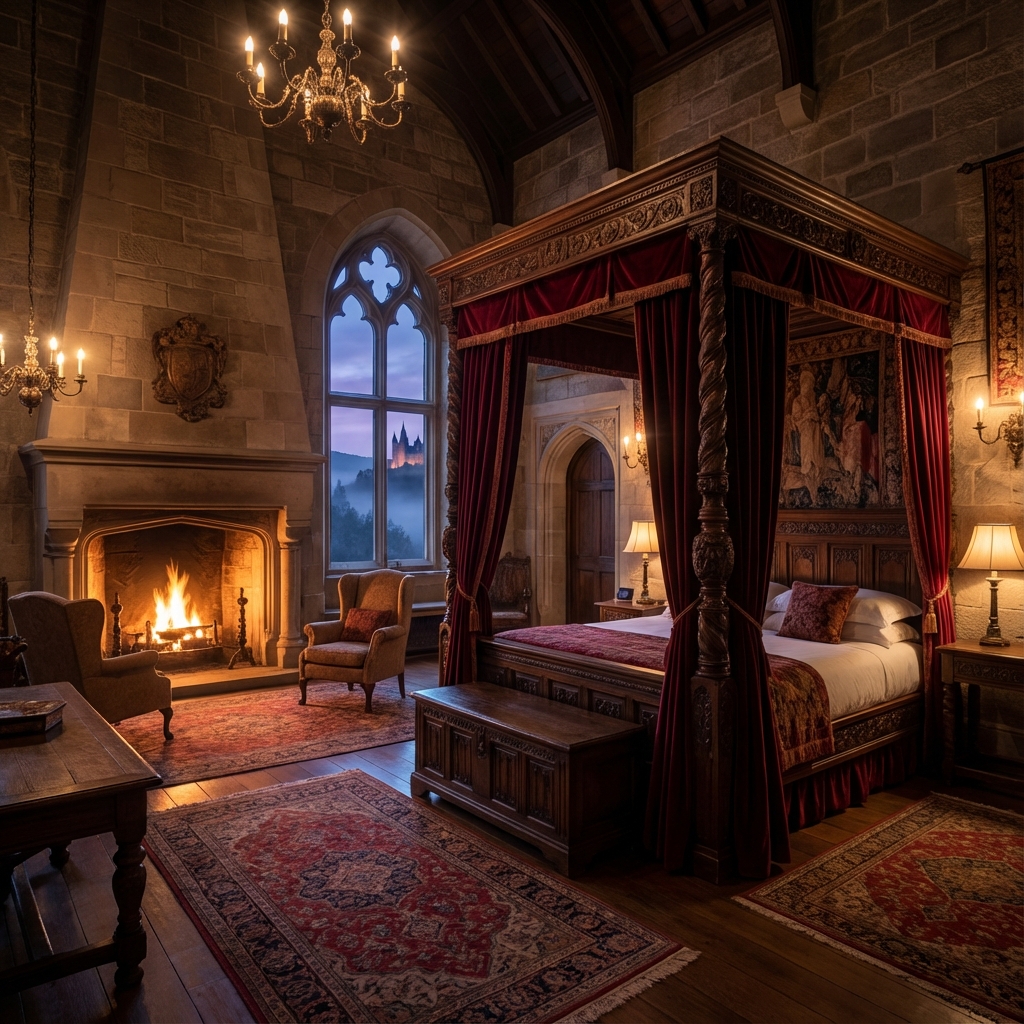
Malbork Castle (Zamek w Malborku), originally known by its German name Marienburg ("Mary's Castle"), is a masterpiece of defensive architecture and the largest castle in the world measured by land area. Covering a staggering 21 hectares (52 acres), this UNESCO World Heritage site is the supreme example of a medieval brick castle. It was built by the Teutonic Knights, a German Roman Catholic religious order of crusaders, and served as their headquarters for over 150 years.
History: The Headquarters of the Crusades
The history of Malbork is the history of the Northern Crusades and the rise of the Teutonic Order.
The Rise of the Order
Construction began around 1274 after the suppression of the Great Prussian Uprising. The castle was expanded several times to house the growing number of knights. In 1309, Siegfried von Feuchtwangen, the Grand Master of the Teutonic Order, moved his seat from Venice to Malbork. This elevated the fortress to the capital of one of the most powerful states on the southern coast of the Baltic Sea. At its peak, the castle housed 3,000 "brothers" (knights and lay brothers).
The Siege of 1410
The castle's defenses were tested in 1410 after the Battle of Grunwald, where the Polish-Lithuanian forces crushed the Teutonic Order. King Władysław II Jagiełło besieged Malbork, but the fortress proved impregnable. Thanks to the valiant defense led by Heinrich von Plauen, the Order survived for another few decades. The cannonball embedded in the Summer Refectory is a relic of this siege, a reminder of how close the castle came to destruction.
The Polish Era and Decline
After the Order's defeat in the Thirteen Years' War, the castle's importance began to wane. The Order, bankrupt and unable to pay its mercenaries, handed the castle over to them as payment. The mercenaries then sold it to the Polish King Casimir IV Jagiellon in 1457. It served as a Polish royal residence for centuries until the Partitions of Poland in 1772, when it fell under Prussian rule and was used as a barracks and warehouse.
WWII Destruction and Rebirth
During World War II, the castle was turned into a fortress by the Nazis. In 1945, during the heavy fighting between the Wehrmacht and the Red Army, nearly 50% of the structure was destroyed. The High Castle and the church were reduced to ruins. After the war, the Polish state undertook a monumental restoration project that continues to this day, meticulously rebuilding the castle using traditional medieval techniques.
Architecture: A Brick Behemoth
Malbork is estimated to contain over 30 million bricks. Its defensive walls, moats, and towers were designed to withstand long sieges.
The Three Castles
The complex is not one building but three distinct castles enclosed within concentric walls:
- The High Castle: The oldest part, functioning as the monastery. It houses the Church of St. Mary and the Chapter House.
- The Middle Castle: The administrative and representative center. It contains the Grand Master's Palace, the Great Refectory, and the Infirmary.
- The Lower Castle: The outer bailey (Karwan), which housed the armory, workshops, stables, and brewery.
Medieval Innovation: Central Heating
One of the most fascinating features of Malbork is its advanced heating system. The knights used a hypocaust system, similar to the Romans. Large furnaces in the cellars heated stones, and the hot air was channeled through ducts to vents in the floors of the Great Hall and the Grand Master's chambers. This allowed the knights to live comfortably during the harsh Baltic winters.
The Grand Master's Palace
The residence of the Grand Master is one of the finest achievements of Gothic secular architecture.
- The Summer Refectory: A light-filled hall with a vaulted ceiling supported by a single slender granite pillar. It was here that dignitaries from across Europe were entertained.
- The Winter Refectory: A lower, warmer room used for dining during the cold months, heated by the hypocaust system.
The Amber Collection
The Malbork Castle Museum houses one of the largest and most significant collections of amber in the world. The Teutonic Knights controlled the lucrative amber trade (the "Baltic Gold"), and the museum showcases this heritage. The collection includes raw amber lumps with prehistoric insect inclusions, as well as exquisite amber jewelry, caskets, and altars from the 16th to 18th centuries. The "Amber Room" exhibition explains the history, geology, and artistry of this fossilized resin.
The Well and the Pelican
In the courtyard of the High Castle stands a well covered by a roof topped with a bronze statue of a Pelican feeding its young with its own blood. This symbol of Christ's sacrifice was significant for the religious order. The well was vital for the castle's survival during sieges. Legend says that the well was connected to the Nogat River by a secret underground channel, ensuring a fresh water supply even if the castle was surrounded.
The Views and the Nogat River
For the best view of the castle, you must cross the pedestrian bridge over the Nogat River. From the opposite bank, you can see the full panorama of the fortress, with its red brick walls reflecting in the water. This view is particularly stunning at sunset. The river was a crucial part of the castle's defense and logistics, allowing the knights to control trade routes to the Baltic Sea.
Visitor Tips
- Plan a Full Day: The castle is enormous. A standard tour takes 3.5 to 4 hours. Wear comfortable walking shoes as there are many cobblestones and stairs.
- Audio Guide: The ticket includes a GPS-triggered audio guide which is essential. It automatically plays stories as you enter different rooms, helping you navigate the complex maze of courtyards and corridors.
- Train Access: Malbork is easily accessible by train from Gdańsk (approx. 30-45 minutes), making it a perfect day trip. The castle is a 15-minute walk from the station.
- Light and Sound Show: In the summer evenings, there is an outdoor light and sound show that illuminates the castle walls with history.
Frequently Asked Questions
- Is there food inside?
- Yes, there is a restaurant called "The Gothic Café" located in the Middle Castle, serving traditional Polish food. There are also food stalls outside the main gate.
- Can I bring my dog?
- Dogs are not allowed inside the museum/interiors, but they are allowed on a leash in the outer castle grounds.
- Is it suitable for children?
- Yes, the audio guide has a "family route" version that is engaging for kids. There are also many open spaces to explore.